

The Traditional Bear Cycle
In a natural setting, black bears spend spring and summer feeding on grasses, berries, and insects. By fall they enter a state called hyperphagia, where they eat nearly nonstop. Their goal is to pack on enough fat to survive the long winter without eating.
Once winter arrives, bears enter their dens and hibernate, living off stored energy until spring. This cycle has worked for thousands of years, keeping bears wild and balanced within their ecosystem.
Why Bears in Tahoe Skip Hibernation
Over the past few decades, homeowners and wildlife experts have noticed something different in Tahoe. Instead of disappearing in December, some bears are still walking neighborhoods in January and February. There are two main reasons:
Food Availability
Trash cans, dumpsters, and unsecured garbage provide a steady food source that makes hibernation unnecessary. Why sleep through the winter when meals are available right outside a garage or driveway? A bear that finds trash in Truckee may decide to stay active all season. In fact, studies have shown that urban and suburban bears weigh more than wildland bears simply because of the calories they get from garbage.
Climate Change
Tahoe winters are not what they used to be. Shorter snow seasons and milder temperatures mean it is easier for bears to move around. Even light snow cover doesn’t slow them down if there is food to be found. A den is no longer a requirement for survival if the bear can move easily through neighborhoods all winter long. The combination of easy calories and warmer winters has broken many bears away from their natural patterns.

What This Means for Homeowners
If bears no longer hibernate reliably, then residents must expect bear activity every month of the year. Leaving trash outside in January can be just as risky as leaving it out in July. A single unsecured bag can attract a bear that will then return again and again, not only to your home but to your neighbors as well. This is why counties and HOAs across the Tahoe Basin encourage or even require the use of bear boxes. A properly installed bear resistant trash enclosure in Lake Tahoe keeps garbage secure during winter, summer, and every season in between.
The Risks of Year Round Bear Activity
A bear that skips hibernation and survives on trash does more than make a mess. It becomes conditioned to return to neighborhoods again and again. This can lead to:
Property damage:tipped cans, broken fences, damaged garages, and even cars scratched or entered when food is left inside.
Neighborhood conflicts: one unsecured trash can often attracts bears to the entire block, frustrating neighbors and creating tension.
Wildlife loss: bears that become too comfortable around people are at risk of being relocated or euthanized, which is a preventable tragedy.
The impact spreads beyond a single home, which is why community wide solutions are so important.
How a Bear Box in Tahoe Helps
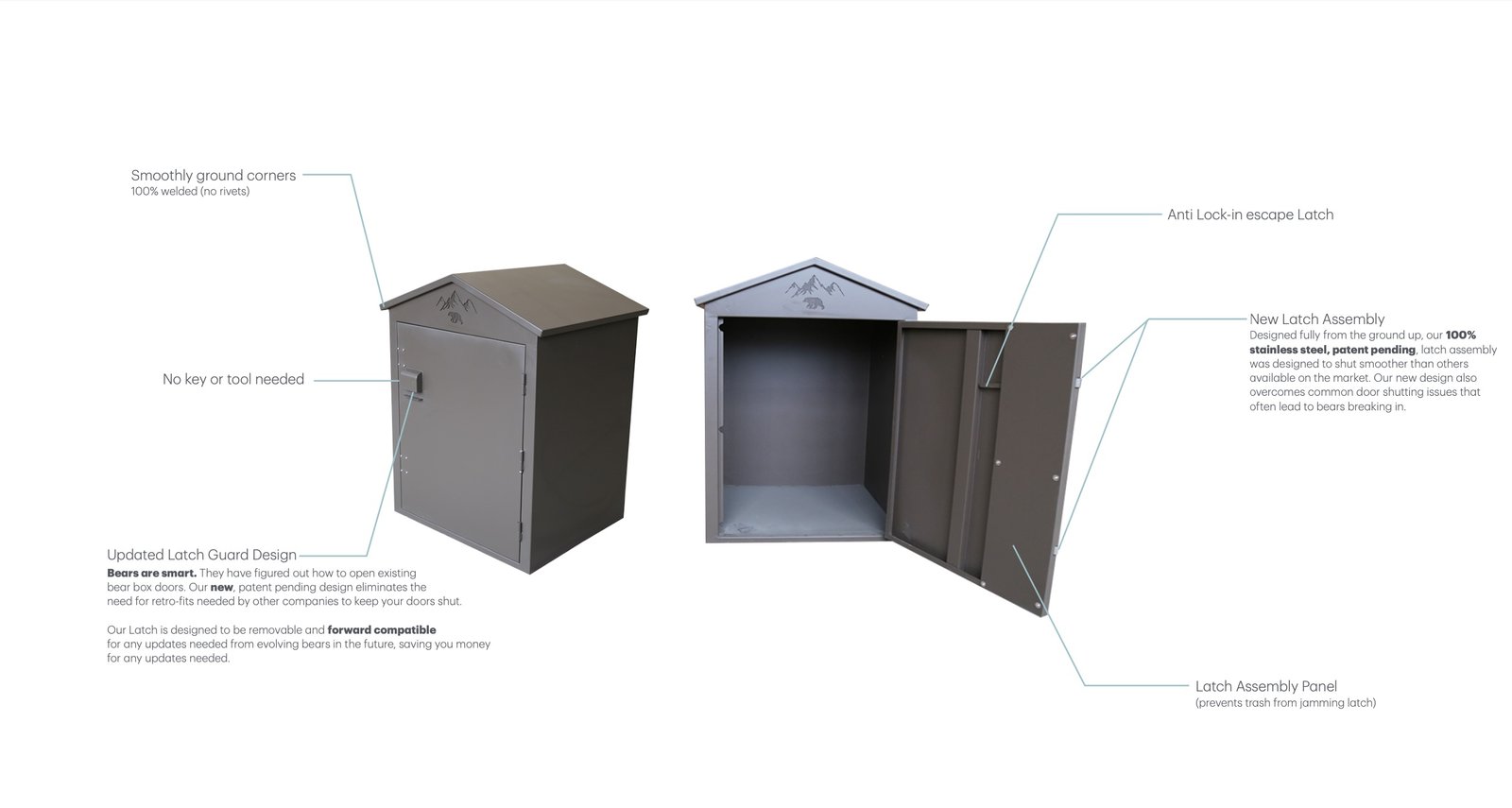
A bear proof container or bear resistant trash box removes the biggest attractant. By locking away garbage until pickup day, it denies the reward that keeps them coming back. Over time, this helps reestablish more natural behavior patterns and teaches bears to return to wild food sources. Choosing a bear resistant trash can for home provides everyday convenience while keeping waste secure from wildlife. Adding an outdoor animal proof container near driveways or garages further reduces access points and deters repeat visits.
In practical terms, it also gives homeowners peace of mind. You don’t have to worry about waking up to scattered garbage, frightened guests, or county fines. For vacation rental owners, it adds another layer of protection and reassurance, since visitors may not always know the importance of keeping trash secure.
Final Thoughts
Tahoe’s black bears don’t always hibernate the way they once did. With human food and changing winters, many remain active all year long. That means residents must stay prepared year round too.
The most effective step is simple: secure your trash. A bear resistant trash enclosure in Lake Tahoe protects your home, your neighborhood, and the bears themselves. By working together, Tahoe communities can reduce conflicts, keep neighborhoods cleaner, and most importantly, help bears remain wild where they belong.
FAQ
Reliable human food sources and milder winters reduce the need to den, so some bears stay active through colder months when trash is accessible.
Previous Story